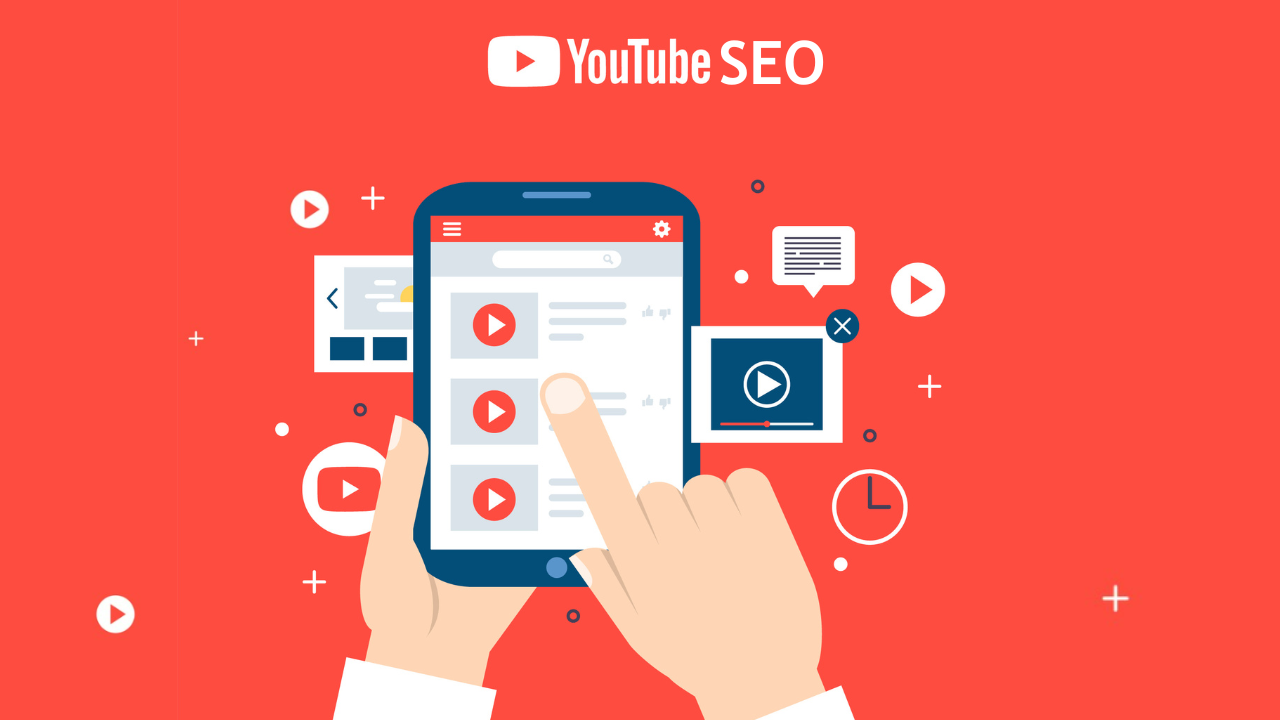
YouTube is no longer just a video platform. It has quietly become one of the world’s biggest search and answer engines. Today, users don’t only type queries into Google they ask questions on YouTube, voice assistants, and AI tools that summarize video content before people even click.
That shift has completely changed how YouTube SEO works.
If your strategy still relies only on adding a few keywords in the title and dumping tags into the backend, you’re already behind. In the age of AI, YouTube SEO is about understanding intent, engagement signals, semantic relevance, and how AI interprets video content.
This guide breaks down how the YouTube ranking algorithm works today, how to improve YouTube search rank, and how to optimize videos not just for YouTube but also for AI-powered answer engines.
How YouTube SEO Has Changed With AI
Earlier, YouTube SEO was mostly metadata-driven. Titles, descriptions, and tags did most of the work.
Now, AI systems analyze:
- What your video is actually about (not just what you say it’s about)
- How viewers behave after clicking
- Whether your content answers a specific question clearly
- How well your video aligns with search intent
YouTube’s AI can understand:
- Spoken words through automatic transcription
- Visual context from frames
- Viewer satisfaction signals like watch time and retention
This is why two videos with similar titles can perform very differently in search.
Understanding the Modern YouTube Ranking Algorithm
The YouTube ranking algorithm prioritizes one thing above all else: viewer satisfaction.
Instead of asking, “Did this video use the keyword?”, YouTube asks:
- Did users click this video?
- Did they stay and watch?
- Did they engage?
- Did the video fully answer the query?
Watch Time and Retention
If viewers watch most of your video, YouTube sees it as valuable. Even a shorter video can outrank a longer one if retention is higher.
Click-Through Rate (CTR)
Your thumbnail and title decide whether users click. A high CTR signals relevance for a search query.
Engagement Signals
Likes, comments, shares, and saves tell YouTube that your content resonates.
Search Intent Match
Videos that directly answer “how,” “why,” and “what” questions perform better in search and AI summaries.
YouTube SEO in the Context of Answer Engines (AEO)
AI answer engines don’t just look at blog posts anymore. They pull insights from YouTube videos, especially when content is educational or tutorial-based.
To optimize for Answer Engine Optimization (AEO) on YouTube:
- Clearly answer one core question per video
- Say the main answer within the first 30 seconds
- Use conversational language instead of keyword stuffing
- Structure your content logically so AI can extract key insights
When AI tools summarize content, they prefer videos that are clear, authoritative, and well-structured.
How to Improve YouTube Search Rank Step by Step
1. Start With Intent-Based Keyword Research
Instead of chasing high-volume keywords, focus on problem-based searches.
Good examples:
- “How to increase YouTube search rank”
- “YouTube tag SEO best practices”
- “How YouTube ranking algorithm works”
These keywords match real user intent and perform better in both YouTube and AI search results.
2. Optimize Titles for Humans First, Algorithms Second
Your title should:
- Clearly explain the value of the video
- Match the search intent
- Include the main keyword naturally
Example: “YouTube SEO in the Age of AI: How to Rank Videos Faster” This title works because it speaks to curiosity, clarity, and relevance – three things the algorithm loves.
3. Write Descriptions That Help AI Understand Context
Your video description is not filler content. It’s a semantic signal. A strong description:
- Explains what the video covers in plain language
- Uses primary and secondary keywords naturally
- Includes variations of your main topic
4. YouTube Tag SEO Still Matters (But Differently)
Many creators think tags are dead. They’re not.
YouTube tag SEO helps:
- Clarify topic relevance
- Catch keyword variations and misspellings
- Support early discovery for new channels
Use tags to reinforce context, not to spam keywords. Focus on relevance over quantity.
5. Optimize Video Content for AI Transcription
YouTube automatically transcribes your video. AI systems read those transcripts.
To optimize:
- Speak clearly
- Use natural keyword variations while explaining
- Avoid filler phrases at the beginning
- Introduce the topic early and directly
If AI understands your video clearly, your chances of ranking improve significantly.
GEO: Why YouTube SEO Is Also Global Now
With Generative Engine Optimization (GEO), content can surface across regions without traditional rankings.
To optimize globally:
- Use simple, universal language
- Avoid region-specific slang
- Add subtitles for better accessibility
- Mention examples that apply globally
This helps your video appear in AI-generated responses worldwide, not just local YouTube searches.
Engagement Is the New SEO Currency
YouTube SEO is no longer just technical. It’s emotional.
If your video:
- Hooks users early
- Keeps them watching
- Encourages interaction
The algorithm rewards it. Ask viewers questions. Encourage comments. Create curiosity loops. These actions improve ranking more than adding extra keywords ever will.
Final Thoughts: The Future of YouTube SEO Is AI-First
YouTube SEO is about serving the user better than anyone else. If your video genuinely helps, answers questions clearly, and keeps viewers engaged, the algorithm and AI answer engines will follow.
Focus on:
- Intent over volume
- Clarity over complexity
- Engagement over hacks
That’s how creators will win YouTube search in the age of AI.