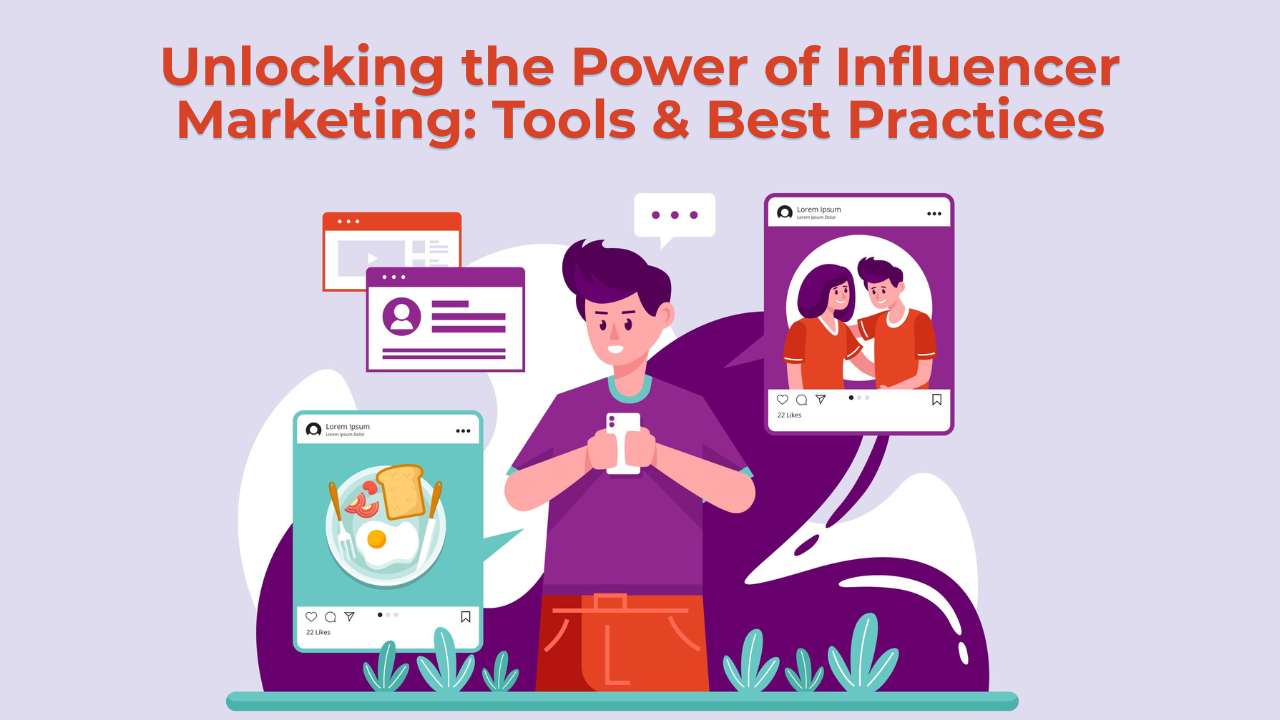
Influencer marketing is a strategy where brands collaborate with individuals (influencers) who have a loyal audience to promote products, services, or campaigns. Instead of speaking directly to customers, brands use influencers as trusted messengers.
This approach blends the reach of traditional advertising with the authenticity of personal recommendations.
What It Is (In Practice)
Influencer marketing can take many forms:
- Sponsored posts on Instagram, TikTok, YouTube, or blogs
- Affiliate partnerships with unique promo codes
- Product seeding, where brands send free items for review
- Brand ambassador programs for long-term collaboration
It’s not just about reach. The most successful campaigns focus on relevance – matching the right influencer to the right audience at the right time.
How It Works
Step-by-step process:
- Set your objective – Do you want awareness, engagement, leads, or sales?
- Identify your target audience – Know your buyer persona.
- Find relevant influencers – Use tools to search by niche, location, or audience demographics.
- Vet authenticity – Check engagement quality, follower demographics, and past brand collaborations.
- Negotiate and brief – Share expectations, timelines, and creative guidelines.
- Launch and track – Monitor reach, clicks, conversions, and ROI.
- Optimize – Test different influencers, content formats, and CTAs.
Use Cases for Influencer Marketing
- Product launches: Get instant buzz by tapping into engaged audiences.
- Brand awareness: Reach new markets and demographics quickly.
- E-commerce growth: Use promo codes to drive trackable sales.
- Content creation: Repurpose influencer content for ads, websites, and social media.
- Event promotion: Leverage local influencers for maximum turnout.
Pros & Cons
Pros
✅ Builds trust faster than traditional ads
✅ Delivers authentic, relatable content
✅ Works for all industries – from fashion to SaaS
✅ Offers measurable ROI through tracking links and codes
Cons
❌ Risk of fake followers and low engagement
❌ ROI can be unpredictable without testing
❌ Requires constant vetting and relationship management
How to Get the Best Results
- Choose quality over quantity – A smaller, highly engaged audience often beats a massive but inactive one.
- Leverage micro and nano influencers – More authentic and cost-effective.
- Track beyond vanity metrics – Focus on clicks, conversions, and LTV.
- Give creative freedom – Influencers know what resonates with their audience.
- Repurpose influencer content – Use it in paid ads, emails, and landing pages.
- Use the right tools – They save time, reduce fraud risk, and improve campaign ROI.
Top Influencer Marketing Tools for 2025
1. Upfluence
- What it is: An all-in-one influencer discovery and campaign management tool.
- Best for: E-commerce brands wanting integrated affiliate and product seeding workflows.
- Key strength: Shopify & WooCommerce integration for direct sales tracking.
2. Klear
- What it is: Influencer search, analytics, and management platform.
- Best for: Large brands needing campaign tracking + PR integration.
- Key strength: Audience insights and campaign ROI tracking.
3. Heepsy
- What it is: A discovery tool to find influencers by niche, location, and audience.
- Best for: SMBs and agencies needing quick, targeted searches.
- Key strength: Affordable, easy-to-use search filters.
4. HypeAuditor
- What it is: AI-powered influencer vetting platform.
- Best for: Brands serious about avoiding fake followers.
- Key strength: Industry-leading fraud detection and engagement analysis.
5. Traackr
- What it is: Data-driven influencer marketing for enterprises.
- Best for: Global brands managing multi-region influencer programs.
- Key strength: Cross-market analytics and “brand vitality” score.
6. BuzzStream
- What it is: Outreach and relationship management software.
- Best for: PR + influencer outreach at scale.
- Key strength: Personalized, trackable influencer outreach sequences.
Final Thoughts
Influencer marketing is evolving from “pay for post” to “build for partnership.” In 2026, success comes from careful influencer selection, data-driven tracking, and long-term collaboration, not just chasing followers.
By combining the right strategy with the right tools, you can turn influencer marketing into one of your most reliable growth channels.